Peak Season, Thin Blue Line: How Montana's Ski Towns Staff Up for the Winter Surge
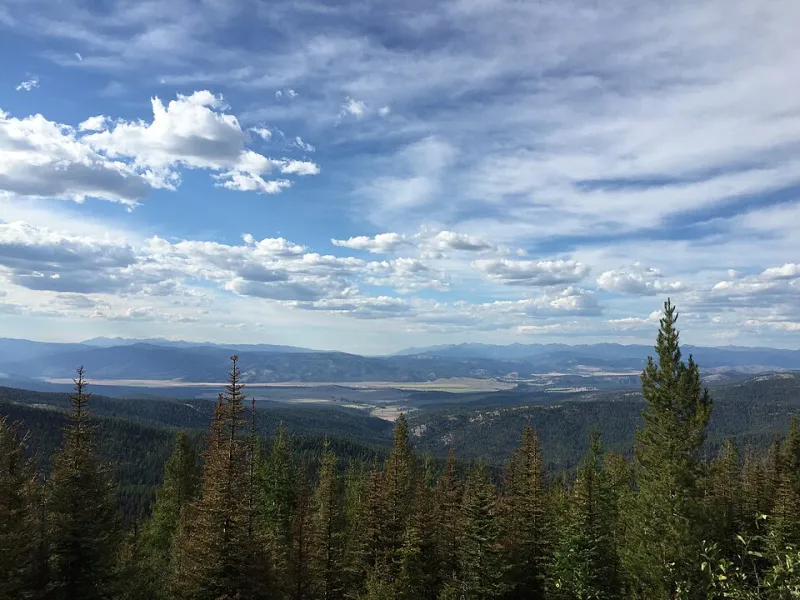
Photo: mypubliclands, Public domain, via Wikimedia Commons
By mid-November 2026, the first storms have already dusted the peaks above Whitefish and Big Sky, and the parking lots are beginning to fill with trucks hauling snowmobiles and skis. For year-round residents, the arrival of winter is a familiar rhythm. For the small police departments that serve Montana's resort towns, it is the start of a four-month operational sprint.
The December-to-March Crunch
Ski towns do not simply get busier in winter. They change character. Short-term rentals fill, restaurant staff arrive from out of state, and the number of people on the road can double or triple in a matter of weeks. Traffic collisions rise with slick pavement and unfamiliar drivers. Alcohol-related calls climb after apres-ski hours. Lost skiers, snowmobile accidents, and backcountry rescues pull officers away from routine patrol.
The pressure is not limited to the slopes. A town with 2,000 year-round residents may field calls more typical of a city ten times its size. Officers who know every local face in July spend December learning to spot visitors in distress, rental cars with expired tags, and party houses that generate repeated complaints.
Staffing With Temporary Badges
Small departments cannot hire a year-round force sized for peak season. Instead, many rely on seasonal officers, reserve deputies, and overtime. Some agencies recruit experienced officers from other states for winter contracts; others bring back former local officers who know the terrain. Housing is often the limiting factor, not wages. A seasonal officer who cannot find an affordable place to live will not stay for the season.
That makes planning a year-round task. Chiefs and sheriffs begin recruiting in late summer, arrange background checks and academy waivers in the fall, and schedule field training before the first holiday rush. Even then, a single illness or injury can leave a shift short. The result is a staffing model that works best when everyone — from the town council to the local motel owner — understands the trade-offs.
Partners on the Mountain
Resort communities depend on partnerships that are easy to describe and hard to sustain. Ski patrol handles medical response and avalanche control on resort terrain. Private security manages parking and lodge disputes. The U.S. Forest Service and county sheriff's office may share jurisdiction over backcountry access points. Fire and EMS agencies respond to the same calls from different directions.
Mutual aid agreements formalize those relationships, but they do not eliminate friction. A call that begins as a skier collision may become a criminal investigation. A snowmobile crash on federal land may require a sheriff's deputy, a Forest Service officer, and a tribal or state investigator. Clear radio protocols and pre-season tabletop exercises matter more than signed paperwork alone.
The Cost of Being Everywhere
The seasonal surge also takes a toll on officers. Twelve-hour shifts, holiday overtime, and repeated exposure to alcohol-fueled conflict can wear down even experienced personnel. Departments that once treated winter as a sprint now talk openly about fatigue management, peer support, and scheduled days off. The 2026-27 season has brought renewed emphasis on wellness policies that apply to seasonal staff as well as full-time officers.
Residents may notice the difference in smaller ways: slower response to non-emergency calls, more traffic enforcement on mountain roads, and public advisories about parking and noise. Those inconveniences are not signs that a department has stopped caring. They are signs that it is triaging.
What Residents Should Expect
For year-round Montanans, the most useful preparation is realistic expectation. Report emergencies immediately, but use non-emergency lines for parking complaints and noise issues. Give yourself extra time on mountain roads. Check local advisories before heading into the backcountry. And if a seasonal officer seems unfamiliar with a local road, remember that the department may be staffing to keep everyone safe rather than to maintain hometown familiarity.
Ski season is a economic engine for Montana, and the officers who police it are part of the infrastructure. Their success depends less on heroics than on planning: enough temporary staff, workable housing, strong mutual aid, and a community that understands why the quiet town it loves in October looks so different by January.