The First Forty-Eight: Why Montana's Missing Persons Cases Move Unevenly From Report to Rescue
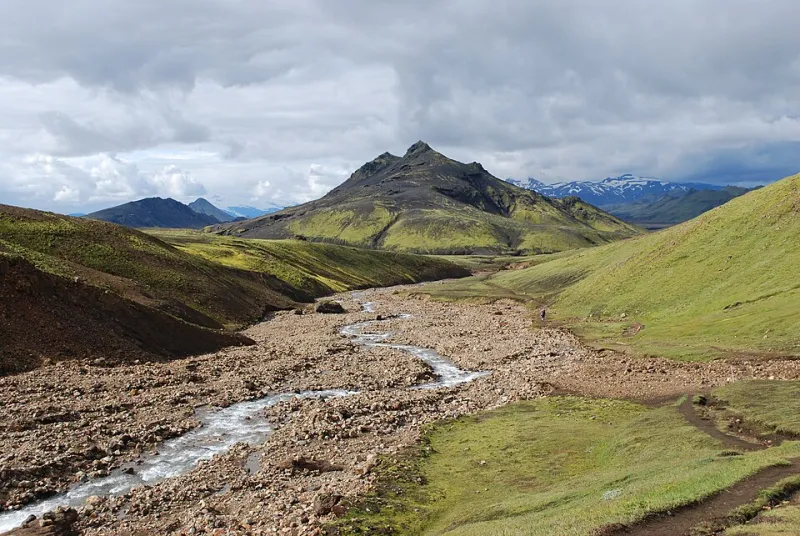
Photo: Chmee2/Valtameri, CC BY 3.0, via Wikimedia Commons
In a state where a wrong turn can lead into national forest and a cell signal can vanish within minutes, the first hours after a missing person report are rarely simple. Montana law enforcement agencies handle thousands of missing person calls each year, ranging from teenagers who return before midnight to vulnerable adults who vanish in rural counties. By November 2026, the processes behind those cases have improved in important ways — but they remain uneven, especially where small departments, vast landscapes, and tribal jurisdictions meet.
The Report That Starts the Clock
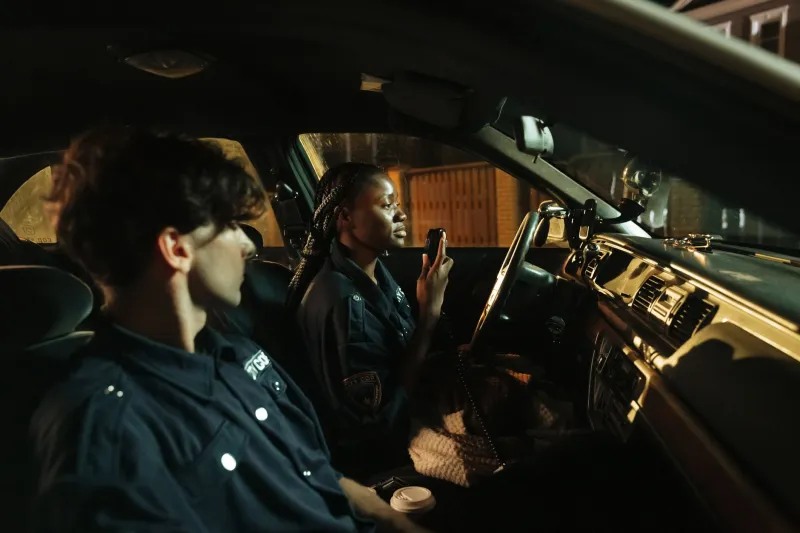
The critical work begins when someone calls 911 or walks into a sheriff's office. Good practice is straightforward: take the report immediately, do not impose a waiting period, gather a recent photo and identifying details, and enter the person into national missing person systems without delay. Dispatchers may issue a local broadcast while deputies check the home, known haunts, and nearby roads.
What happens next depends heavily on risk factors. A missing child, a person with dementia, someone in mental health crisis, or a person exposed to extreme weather generally warrants faster escalation. So does evidence of violence or a suspicious departure. In a rural county, the first responding deputy may also be the only deputy on shift. That reality can slow the transition from initial report to organized search.
Why Some Alerts Travel Faster Than Others
Public attention is not distributed evenly. AMBER Alerts carry strict legal criteria, and they are reserved for specific child abduction cases. Advisory systems for endangered adults can help, but they are not automatic. Media markets, social media followings, and the willingness of a family to speak publicly all influence how quickly a case reaches the broader public.
That creates an uncomfortable pattern. A disappearance near a population center may generate immediate news coverage and widespread sharing. A similar case on a remote reservation or in a sparsely populated county may receive less visibility, even when the risk is just as high. Law enforcement agencies are increasingly aware of that disparity, but awareness alone does not close it.
The Tribal and Rural Coordination Test
Montana's missing persons cases often cross jurisdiction lines. A person may disappear on a reservation, be last seen in a border town, and have family in a different county. Tribal police, county sheriffs, the Montana Highway Patrol, and federal agencies may all have a role. Federal reforms and state-level attention to missing and murdered Indigenous people have improved communication in recent years, but coordination still depends on relationships, radio compatibility, and shared records.
In practice, that means a family may hear different things from different agencies. A case number from one office does not automatically produce a search plan in another. Tribal police departments are often understaffed, and vast patrol areas can make follow-up difficult. The most effective responses tend to involve a designated liaison who can keep the family informed and a multi-agency meeting held early, not after days of confusion.
What Families Can Do in the First Hours
Families have more influence than they often realize, provided they act quickly and keep records. They should call 911 or the local law enforcement agency, provide a current photo, describe clothing and distinguishing marks, list medical conditions and medications, and identify the person's vehicle, phone, and known contacts. They should ask for the case number and the name of the investigating officer. They should preserve text messages, social media messages, and call logs rather than deleting them.
Families can also ask whether the person has been entered into national systems, whether a public advisory is being considered, and whether a family liaison has been assigned. Sharing official flyers is helpful; spreading unverified rumors can waste investigative time. In the first 48 hours, the goal is to give investigators usable facts and to keep pressure on the process without interfering with it.
The Gap Between Report and Rescue
Technology has changed the search. Cell phone records, license plate readers, surveillance video, drones, and social media can generate leads in hours that once took weeks. But technology is only as good as the coordination behind it. A pinged phone is useless if no one requests the warrant. A camera image is wasted if the agency does not know which neighboring department to call.
The gap between a report and a rescue is rarely a single failure. It is usually a series of small delays: a missing form, an unavailable supervisor, a jurisdiction question, a family unsure where to turn. Montana's agencies can close that gap by standardizing the first response, training dispatchers and patrol officers together, and treating every missing person report as a case that deserves a documented plan — not just a waiting period.