Hidden in Plain Sight: Montana's Rural Communities Confront the Human Trafficking Crisis Within Their Borders
For most Montanans, human trafficking conjures images of crowded cities, international border crossings, or the sensationalized storylines of television crime dramas. The reality unfolding across this state, however, is far quieter and far more insidious. Trafficking networks have discovered that Montana's vast distances, sparse populations, and stretched law enforcement resources create conditions that are, in many respects, ideal for exploitation.
Across reservation communities, agricultural corridors, and isolated highway towns, investigators say the crime is not rare — it is simply underreported, misidentified, and chronically underfunded in its response.
The Geography of Vulnerability
Montana spans more than 147,000 square miles, making it the fourth-largest state in the nation. That scale presents extraordinary challenges for any law enforcement initiative, but perhaps none more so than combating human trafficking. A county sheriff's office that covers thousands of square miles with a handful of deputies cannot maintain the same investigative infrastructure as an urban police department.
Officers assigned to Montana's human trafficking task forces describe a landscape where victims are moved deliberately through remote corridors — along U.S. Highway 2 in the north, through agricultural communities in the eastern plains, and across reservation boundaries where jurisdictional complexity can slow law enforcement response significantly.
"Traffickers understand geography," said one task force investigator who asked that their department not be identified due to ongoing operations. "They know which counties have two deputies on overnight shifts. They know where cameras aren't. They use that knowledge the same way any criminal enterprise would."
The state's tribal nations face a compounded crisis. Missing and Murdered Indigenous Women and Girls — a national emergency that has received increased federal attention in recent years — intersects directly with trafficking networks. Research consistently identifies Indigenous women and girls as disproportionately targeted by traffickers, and tribal communities in Montana have reported that cases frequently fall into jurisdictional gaps between tribal police, county sheriffs, the Bureau of Indian Affairs, and federal investigators.
Recognizing What Was Never Taught
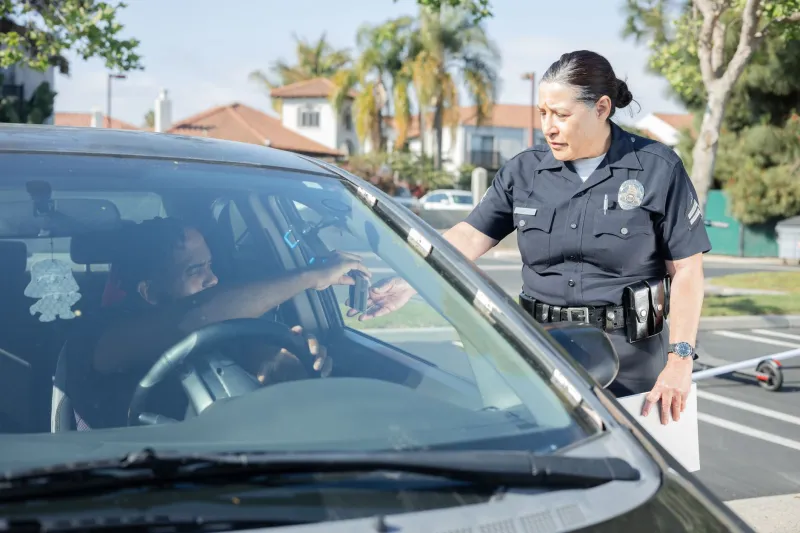
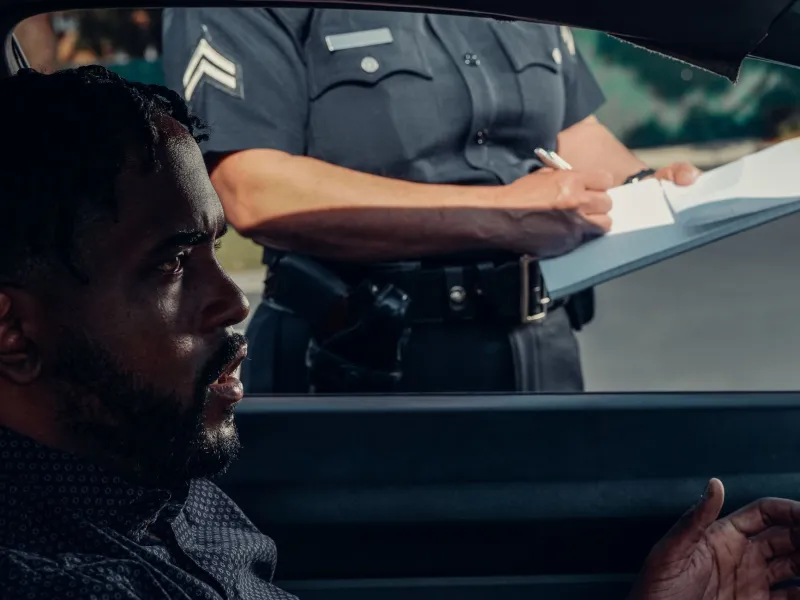
For years, many Montana officers encountered trafficking victims without recognizing them as such. A young woman picked up for a minor infraction. A teenager reported as a runaway. An adult male found disoriented near a truck stop. Without specific training, these encounters often ended without the underlying crime ever being identified.
That gap in awareness has driven a significant investment in education. The Montana Department of Justice, in partnership with federal agencies and nonprofit organizations, has expanded training programs designed to help officers at every level — from patrol deputies to dispatch personnel — recognize the behavioral and situational indicators that suggest a person may be under another's control.
Training modules now cover how to conduct trauma-informed interviews, why victims frequently deny their circumstances, and how to approach potential survivors in ways that build trust rather than reinforcing fear. Officers are also being taught to look beyond the individual encounter and ask systemic questions: Who paid for this motel room? Who is waiting in the parking lot? Whose phone is this person using?
"The instinct is to treat what you see at face value," explained a training coordinator with a Montana-based anti-trafficking nonprofit. "But trafficking victims are often coached extensively on what to say to law enforcement. You have to look at the whole picture — the context, the relationships, the inconsistencies."
Task Forces and the Power of Coordination
Montana currently operates regional human trafficking task forces that bring together local, state, tribal, and federal law enforcement alongside victim service providers and community organizations. These collaborative structures are considered essential in a state where no single agency possesses the personnel or resources to tackle trafficking alone.
Federal partnerships — particularly with the FBI's Innocence Lost National Initiative and Homeland Security Investigations — have brought additional investigative resources to Montana, including digital forensics capabilities that have proven critical in building prosecutable cases. Traffickers increasingly operate through encrypted messaging platforms, anonymous payment systems, and online advertising channels. Dismantling these networks requires technical expertise that goes well beyond traditional investigative methods.
Task force members have credited cross-agency data sharing with accelerating several investigations in recent years. A tip received by a tribal police department, cross-referenced with intelligence held by a state investigator, and combined with federal surveillance capabilities has, in documented cases, led to arrests that would not have been possible through siloed agency work.
Survivors Speak to the Gaps That Remain
Advocates who work directly with trafficking survivors in Montana describe a system that, while improving, still leaves significant needs unmet. Safe housing for adult survivors outside of Missoula, Billings, and Great Falls remains severely limited. Mental health services capable of addressing complex trauma are scarce in rural communities. And the economic conditions that make individuals vulnerable to traffickers in the first place — poverty, housing instability, substance use disorders — continue without adequate systemic intervention.
One survivor, who agreed to speak on condition of anonymity, described being trafficked across three Montana counties over a period of several months before any law enforcement contact occurred. She recalled encountering officers twice during that period. Neither interaction resulted in her being identified as a victim.
"I didn't look like what people think a trafficking victim looks like," she said. "I wasn't in chains. I was scared, but I was also doing what I was told to do, which was act normal. Nobody asked the right questions."
Her account reflects what researchers and advocates describe as the fundamental challenge of the crime: it is designed to be invisible, and its victims are often its most effective concealment.
Technology as an Investigative Ally
Beyond inter-agency coordination, Montana law enforcement has increasingly turned to technology to identify trafficking activity before victims can be moved or harmed further. License plate reader data shared across jurisdictions has helped investigators track vehicle movements associated with known trafficking networks. Digital tip lines and online reporting tools, promoted through public awareness campaigns, have generated actionable intelligence that conventional patrol work would rarely surface.
Some agencies have also begun monitoring online commercial sex advertising platforms in coordination with national databases that flag potential trafficking activity. The work is painstaking and legally complex, but investigators say it has opened investigative avenues that simply did not exist a decade ago.
Nonprofit partners have deployed their own outreach strategies, embedding advocates in healthcare settings, schools, and social service agencies — locations where trafficking victims are statistically more likely to appear than in law enforcement encounters.
What the Road Ahead Requires
Law enforcement officials and advocates across Montana broadly agree that progress is being made. Training is more widespread, coordination is more structured, and public awareness has grown meaningfully. But they are equally clear that the work is far from complete.
Sustained funding for task forces, expanded survivor services in rural areas, and continued investment in officer training are consistently identified as the most critical needs. Legislative support at both the state and federal level will determine whether the gains achieved in recent years can be built upon or whether resource constraints will again allow trafficking networks to operate with diminished scrutiny.
For the residents of Montana's smaller communities, the message from law enforcement is direct: trafficking is not a distant problem. It is present, and awareness is among the most powerful tools available to combat it. Suspicious activity reported to local law enforcement or the National Human Trafficking Hotline at 1-888-373-7888 can initiate investigations that otherwise would never begin.
The crime depends on silence. Ending it requires the opposite.