Is That Cop Real? What Montana Drivers Must Know Before Pulling Over
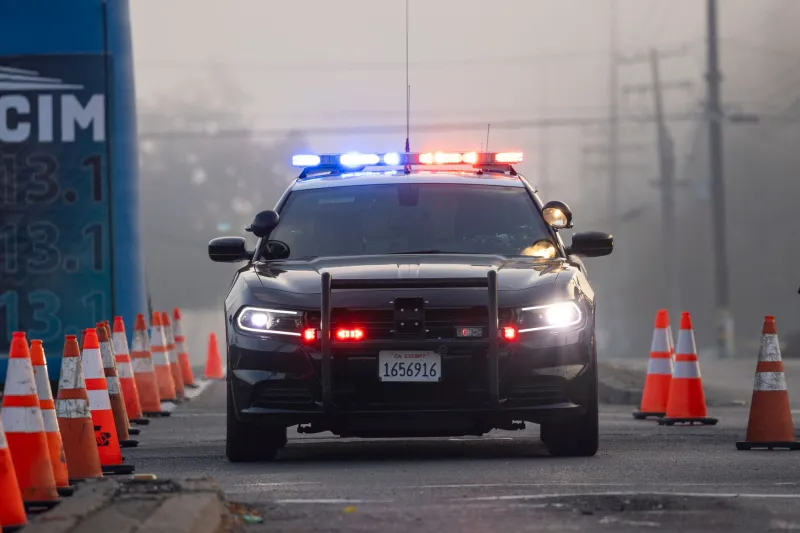
For most Montana residents, seeing flashing lights in the rearview mirror triggers a familiar sequence: find a safe spot, pull over, and wait. That instinct toward compliance is generally correct — and legally required. But a troubling pattern of impersonation incidents across the country, including cases with Montana connections, has prompted law enforcement professionals and safety advocates to urge drivers to pause before assuming the person behind those lights is who they claim to be.
Police impersonation is not a new phenomenon, but it has grown more sophisticated. Criminals have acquired replica emergency lighting, official-looking uniforms, and even counterfeit badges to deceive unsuspecting motorists. The consequences for victims have ranged from robbery to sexual assault. Understanding how to verify an officer's legitimacy is no longer a niche concern — it is a practical safety skill.
The Landscape of Police Impersonation in Montana
Montana's vast geography creates conditions that can make impersonation attempts particularly dangerous. Isolated stretches of U.S. Highway 2, the remote corridors of Interstate 90 east of Billings, and countless county roads pass through areas where cellular service is limited and other motorists are scarce. These conditions favor anyone seeking to conduct a fraudulent stop with minimal witnesses.
The Montana Department of Justice has documented impersonation-related complaints, and local sheriff's offices in counties such as Cascade, Yellowstone, and Missoula have each investigated incidents involving individuals falsely presenting themselves as peace officers. While formal prosecution data specifically categorized under impersonation statutes remains relatively modest, investigators note that many incidents go unreported because victims either do not realize a crime occurred or feel embarrassed about having been deceived.
Under Montana Code Annotated § 45-7-203, impersonating a peace officer is a felony offense. That legal designation reflects how seriously the state regards the breach of public trust involved in such conduct.
Recognizing the Warning Signs
Not every unusual traffic stop involves impersonation, but certain circumstances warrant heightened caution. Safety professionals recommend paying attention to the following indicators before fully complying with a stop:
Unmarked or unusual vehicles. Legitimate undercover officers do occasionally conduct traffic stops in unmarked cars, but this is far less common on rural Montana roads than in urban settings. A personal-looking sedan with a single portable light placed on the dashboard, especially at night, merits scrutiny.
Inconsistent or incomplete lighting. Authentic patrol vehicles carry federally standardized emergency lighting arrays. A single flashing light, lights of an unusual color, or equipment that appears improvised should raise questions.
Behavior that feels off. Genuine law enforcement officers are trained to approach vehicles in a standardized manner. An officer who seems nervous, avoids giving their name or agency, refuses to show a badge, or demands that you step out of the vehicle immediately and without explanation is behaving outside normal protocol.
Isolated locations at unusual hours. If you are being signaled to pull over on a dark, empty stretch of road far from any town, it is reasonable to slow down and activate your hazard lights while driving toward a well-lit, populated area.
Steps to Verify Before You Comply
Montana law enforcement agencies consistently communicate the same message: a genuine officer will not object to a driver taking reasonable steps to confirm their identity. The following actions are practical, legal, and widely supported by police departments themselves.
Call 911 immediately. If you have cellular service, dial 911 while still in motion. Inform the dispatcher of your location, the direction you are traveling, and a description of the vehicle behind you. Ask the dispatcher to confirm whether a marked or unmarked unit from any agency has been dispatched to your location. This single step can resolve uncertainty within seconds and simultaneously documents the situation.
Activate your hazard lights. Turning on your hazard lights signals to the officer — and to any witnesses — that you have acknowledged the stop and are seeking a safe location. Courts and law enforcement agencies have consistently recognized this as cooperative rather than evasive behavior.
Drive to a safe, visible location. You are not required to stop on the shoulder of a dark highway. Drive at a reduced speed toward a gas station, a restaurant, a fire station, or any other well-lit public space. If the pursuing vehicle is legitimate, the officer will follow you and understand your reasoning.
Keep your windows partially up and your doors locked. Once stopped, you may speak to the officer through a partially lowered window. Request to see their badge number, full name, and agency affiliation. A real officer will provide this information without hostility.
Ask the officer to call for a marked backup unit. In plainclothes or unmarked situations, requesting a uniformed officer in a marked vehicle is entirely reasonable. Legitimate law enforcement agencies have procedures for exactly this scenario.
Communication Techniques That Matter
How you communicate during a suspected impersonation scenario is as important as the physical steps you take. Keep your voice calm and your language non-confrontational. Statements such as "I want to make sure I'm following the law correctly — could you confirm your badge number while I speak with dispatch?" are less likely to escalate a situation than accusatory phrasing.
Keep your phone visible and, if possible, continue your 911 call throughout the encounter. Many 911 dispatchers are trained to stay on the line and relay information to responding units in real time. The dispatcher can also advise you on whether any nearby agency has a record of an active stop at your location.
Document what you can. If circumstances allow, note the license plate of the pursuing vehicle, the officer's physical description, and any badge numbers or agency insignia visible on their uniform. This information is invaluable to investigators if an impersonation is later confirmed.
What Genuine Officers Want You to Know
Several Montana law enforcement officials have spoken publicly about impersonation awareness, and their message is consistent: officer safety and public safety are aligned, not competing, interests in this scenario. A driver who exercises caution and seeks verification is not obstructing an officer — they are being a responsible citizen.
The Billings Police Department, the Missoula County Sheriff's Office, and the Montana Highway Patrol have each published guidance encouraging residents to call 911 if they feel uncertain during a traffic stop. That institutional endorsement matters. It means that exercising your right to verify is not an act of defiance — it is an act supported by the very agencies you are seeking to confirm.
A Final Word on Preparation
The best time to think through these steps is before you are in a situation that requires them. Consider saving the non-emergency numbers for your county sheriff's office and local police department in your phone alongside 911. Discuss these procedures with teenagers and young adults in your household before they begin driving alone.
Montana's roads stretch across some of the most beautiful and isolated terrain in the country. That same isolation demands that residents approach unfamiliar situations with informed caution. Knowing how to verify a traffic stop is not about distrust of law enforcement — it is about ensuring that the authority you comply with is the authority it claims to be.